
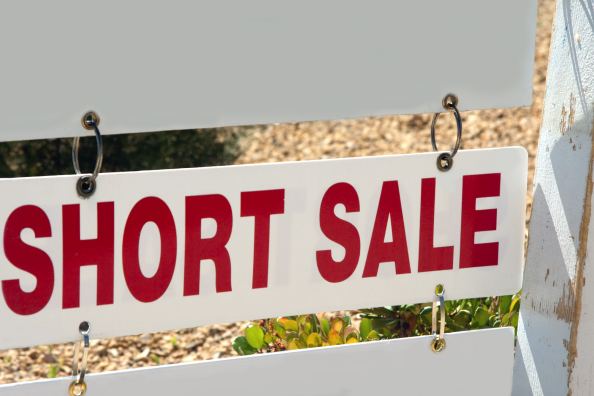
SHORT SALES AND FORECLOSURES
Buying distressed properties, such as short sales and foreclosures, can be an attractive option for real estate investors and homebuyers looking for a deal. However, these types of properties come with unique challenges and risks.
In this article, we will explore the pros and cons of purchasing short sales and foreclosures, helping you decide if this is the right path for you.
What are Short Sales and Foreclosures?
Short Sales: A short sale occurs when a homeowner sells their property for less than the amount owed on the mortgage with the lender's approval. This usually happens when the homeowner is unable to make mortgage payments and the property is worth less than the remaining mortgage balance.
Foreclosures: A foreclosure occurs when a lender takes possession of a property after the homeowner fails to make mortgage payments. The lender then sells the property, typically at a public auction, to recoup the outstanding loan balance.
Lower Purchase Price
Distressed properties are often sold below market value, offering significant savings and potential for a higher return on investment.
Potential for Equity Growth
Purchasing at a lower price can lead to immediate equity if the property value increases, and renovations can further boost value.
Negotiation Leverage
Buyers may have more room to negotiate terms in short sales, while foreclosures at auction can offer competitive bidding and the possibility of securing deals at lower prices.
Investment Opportunities
These properties are excellent for flipping or renting, allowing investors to diversify their portfolios by buying multiple properties at lower prices.
Lengthy Process
Short sales require lender approval, which can take months, while foreclosures involve legal and bureaucratic steps that extend the timeline.
Property Condition
Distressed properties are often sold "as-is" and may have been neglected, leading to significant repair and renovation costs.
Limited Inspections
Some foreclosures limit or eliminate inspection opportunities, making it difficult to assess the property's true condition before purchase.
Competition and Financing
Foreclosure auctions are competitive, and traditional financing is harder to secure for distressed properties due to their condition.
Conduct Thorough Research:
Investigate the property's history, including any liens or legal issues, and understand the local real estate market to gauge true value.
Get a Professional Inspection:
Hire a qualified inspector to assess the property's condition and identify potential repair costs.
Work with Experienced Professionals:
Partner with a real estate agent experienced in short sales and foreclosures and consult a real estate attorney for legal complexities.
Have Financing Ready:
Secure pre-approval for a mortgage or have cash available to streamline the process, and be prepared for potential financing hurdles with contingency plans.
Buying short sales and foreclosures can offer substantial financial benefits but come with significant risks and challenges. By carefully weighing the pros and cons, conducting thorough research, and working with experienced professionals, you can navigate the complexities of purchasing distressed properties and potentially achieve a successful and profitable investment.
Questions about your own situation? Call or text 786-556-6446 or send me a message. This article is general information, not legal, tax or financial advice.